



Bingo: The History And Evolution
Few gambling games have bridged the gap between community fun and commercial gaming quite like bingo. Bingo is a game of chance with roots in a 16th-century Italian lottery, and in the UK it grew from a staple of community halls and bingo clubs into a popular pastime now played across online casinos and mobile apps.
For UK players curious about how bingo works, where it came from, and how it fits into today’s gambling landscape, this guide traces its history, cultural role, regulation, the rise of modern bingo halls, and the digital shift into online, mobile, and hybrid formats such as Slingo. Its appeal has lasted because bingo stays simple, social, and easy to access, while UK licensed platforms and new digital features keep it relevant for both newcomers and experienced players.
Bingo: Early Origins, Bingo Comes To Britain, and The Rise Of The Modern Bingo Hall
Bingo History Guide
Early Origins: From Italy to France (1530–1700s)
The roots of bingo trace back to 1530 Italy, where the game “Il Gioco del Lotto d’Italia” became a popular state-run lottery. This game was also known as 'giuoco del lotto d'italia' and 'lo giuoco del lotto', and it was a prominent Italian lottery (lottery game) dating back to 1530. The term 'del lotto d'italia' refers to the Italian lottery tradition that influenced later European games. Players marked off numbers on cards as they were drawn, hoping to complete lines or patterns for prizes. The even history of bingo can be traced through these early lottery games, highlighting their cultural significance. By the late 18th century, the game had spread to France, where it became “Le Lotto”, a favourite among the aristocracy. French versions introduced pre-printed cards and structured number grids, early precursors to the modern bingo ticket (card).
By the 1800s, similar games appeared in Germany as educational tools for teaching children numbers and spelling, laying the foundation for bingo’s blend of learning, leisure, and luck.
Bingo Comes to Britain (18th–19th Century)
Bingo arrived in Britain during the 18th and 19th centuries through trade, fairs, and military circles, where it was especially popular among the armed forces. It was widely played at fairs, churches, and holiday camps across Great Britain. It quickly became associated with raffles and local fundraising events, particularly in churches and seaside resorts. The game’s simplicity made it an instant hit; regardless of age or background, anyone could join in.
By the early 20th century, informal bingo events were commonplace across the UK, particularly in working-class communities. Church bingo also rose in prominence as a popular fundraising activity, bringing communities together and supporting church finances. Organised bingo games became a staple of social clubs, pubs, and charity drives, laying the groundwork for the nationwide craze and reflecting the growing popularity of bingo in the UK.
The Rise of the Modern Bingo Hall and Bingo Tickets (20th Century)
Bingo's popularity truly exploded after the Second World War. The Betting and Gaming Act of 1960 legalised commercial bingo halls, allowing operators to run prize games under license. Major bingo operators like Mecca Bingo, Gala, and Top Rank transformed cinemas and theatres into lively bingo venues that drew crowds of hundreds, attracted by the allure of significant prize money. Holiday camps, such as Butlins, also hosted bingo events to attract families and add to their entertainment offerings. By the 1970s, there were over 1,600 licensed bingo clubs across the UK. The introduction of the National Bingo Game, organised by the National Bingo Game Association, linked clubs nationwide and standardised sessions and prize structures, and it has been played in UK club venues since 1986, further boosting the game's appeal.
These halls weren't just gambling spaces; they were social hubs. Even as bingo grew into a £1.3 billion leisure industry in the UK, the number of halls fell from nearly 600 in 2005 to 260 in 2023, a decline often linked to pressures such as high taxes and the smoking ban. Regular players formed tight-knit communities, and bingo became synonymous with social inclusion and affordable entertainment. The famous bingo calls, like “Two Little Ducks, 22” and “Legs Eleven, 11,” added personality and humour to every session.
Bingo: Across The Atlantic, The Era Of Regulation and Reform, and The Digital Revolution
Across the Atlantic: The American Influence
In the 1920s, bingo took on its modern name in the United States. American toy salesman Edwin S. Lowe popularised the game after discovering it as a carnival game in Georgia. He created his own version with new scoring patterns and hired mathematician Carl Leffler to create over 6,000 unique bingo card combinations. Lowe’s version became a national sensation, especially in church fundraisers and charity events, where Catholic priests often used bingo to raise church funds and support local causes. Bingo quickly became a popular way to raise funds for churches and charities, spreading the word ‘Bingo!’ as the universal victory cry.
The American model, community-based games with small entry fees and prizes, would later influence British bingo culture, especially as charity-linked events gained popularity. Milton Bradley later acquired rights to bingo and helped popularize it as a board game.
The Era of Regulation and Reform
As bingo's popularity grew, so did the need for regulation. Key gambling laws, such as the Betting and Gaming Act 1960, formalised the industry and shaped the legality and structure of gambling activities like bingo in the UK. This Act allowed bingo operators to run clubs legally under membership systems. Later, the Gambling Act 2005 brought bingo under the UK Gambling Commission's (UKGC) jurisdiction, modernising its rules for online play, responsible gaming, and the requirement that licensed bingo be run as an equal chance game under UK law.
This regulation ensured fair play, transparency, and consumer protection, paving the way for legitimate bingo operators to launch online bingo sites. The emergence of online bingo sites was a direct result of these regulatory changes, allowing players to enjoy bingo virtually. Today, every licensed UK bingo site must meet strict age verification, anti money laundering, and player safety standards, and players must be at least 18 years old to sign up at an online bingo site, where registration usually takes just a few minutes and requires personal details such as a name and email address.
The Digital Revolution: Online Bingo Games and Mobile Bingo
The digital age transformed bingo, leading to the rise of online bingo games and revolutionising how players engage with the classic pastime. The late 1990s and early 2000s ushered in a new era, the digital bingo boom. Online platforms such as Foxy Bingo, Mecca Bingo, and Sun Bingo brought the classic game to the internet age. Players could join chat rooms, play multiple cards at once, and compete for jackpots without leaving home. On many sites, bingo players can choose from 20+ specialized bingo rooms, while chat features also help them connect with other players. Notably, Bingo Blitz, launched on Facebook in 2012, quickly became one of the most popular online bingo games, expanding to multiple platforms and attracting thousands of players.
Technological advancements in bingo halls also played a key role, with the introduction of electronic bingo terminals and electronic boards. These innovations allowed for faster calling, automatic marking of numbers, and a more streamlined, mechanised bingo experience, replacing traditional paper tickets with digital screens and integrated tabletop systems.
As technology advanced, mobile bingo apps transformed the experience again. By the mid-2010s, smartphone users could access dozens of bingo rooms, themed games, and live-hosted sessions, many of which are based on traditional live bingo formats. Beginners who want to play online bingo can now try variants using anywhere from 75 to 90 balls, with 90 ball bingo the most played format in the UK and 75-ball bingo also popular among UK players. Online sites also offer 30-ball bingo, and speed bingo delivers much faster rounds than traditional bingo. Social features like leader boards and emoji reactions kept the spirit of community alive, even in a digital format.
The rise of hybrid titles like Slingo (a blend of slots and bingo) pushed the genre further into casino territory, with many online bingo sites now offering slot games alongside bingo to appeal to a new generation of online gamblers and a vast selection of ways to play bingo online, often with easy app access and payment options such as debit cards and Apple Pay.

Bingo: Bingo's Cultural Legacy, and Bingo Today
Bingo’s Cultural Legacy
Beyond gambling, bingo has become part of the UK’s cultural DNA as a popular game and an entertaining game that has captivated audiences for generations. From its famous catchphrases to televised bingo draws and charity events, the game of bingo represents connection, luck, and laughter. The tradition of playing bingo in community centres, holiday parks, and pubs nationwide highlights its enduring role as a social and recreational activity.
Bingo became increasingly popular throughout the 20th century, drawing crowds to lively bingo halls and community events, before experiencing shifts in appeal among new generations raised on different forms of entertainment.
In recent years, bingo has experienced a nostalgic revival. Events like “Bongo’s Bingo” have reinvented the experience for younger audiences, blending music, dance, and entertainment with traditional number calling.
Bingo today: Hybrid, Social, and Global
In 2025, bingo stands as a genuinely global and multi platform game. Live hosted online bingo rooms now stream directly from studios, replicating the buzz of the old halls. Gamified features, achievements, mini games, and real-time chat make digital bingo as social as ever.
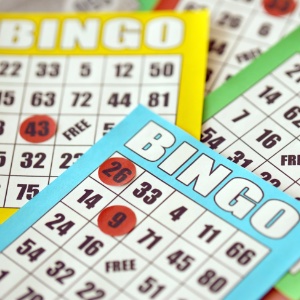
A typical bingo game uses bingo cards or bingo tickets, and traditional formats commonly use between 75 and 90 balls. The numbers are set in horizontal and vertical rows, creating a unique number pattern on every card. Players mark their cards as numbers are called, showing how bingo played across different formats still follows clear pattern-based rules, aiming to complete specific winning combinations. These can include a single line (marking all numbers in one horizontal row), two lines (marking all numbers in any two horizontal rows), or a full house (marking every number on the card). If multiple players call "Bingo" at the same time, the game continues until each claim is checked and every winner is confirmed. The winning sequence depends on matching the required number pattern, and in some educational bingo games, players may also complete a word combination to win, while party bingo cards can use event-themed words or images instead of numbers.
· Traditional bingo usually uses a 5×5 grid while variations can use different grid sizes.
· Each column in a standard bingo card contains five numbers except the center square.
· A standard American bingo card has five columns labeled B-I-N-G-O.
· Pattern bingo requires players to create specific shapes to win and is not limited to lines.
· Players must mark five consecutive spaces to win in Bingo.
· Blackout in Bingo requires marking every single number on the card to win.
· Bingo games can include special themed titles.
· Bingo must be played as an equal chance game under UK law.
Casino operators continue to merge bingo with slot and arcade elements, producing fast, interactive variants that attract both traditional players and newcomers. Meanwhile, responsible gambling initiatives ensure that even as the game evolves, it stays fun, safe, and community driven.
www.casinojester.co.uk

Overview
From Italian lotteries to British bingo halls and mobile casino apps, bingo's journey is one of transformation and resilience. Its enduring appeal lies in its simplicity, a game anyone can play, with just the right mix of luck, anticipation, and camaraderie. As technology evolves, bingo will remain a nostalgic classic and a forward-thinking feature of the global gaming world.
Ready to experience the next generation of bingo? Explore the best UK-licensed online bingo and casino sites for bingo bonuses and real money bingo offers, including £30 in free tickets for new players, Sun Bingo's £40 bonus for a £10 deposit, and Heart Bingo's 100 free spins on first deposit. Play responsibly, connect with others, and claim your welcome bonus today. Sun Bingo also runs free bingo games daily from 2pm to 6pm, with daily scratchcards available after staking £3 on bingo.
www.casinojester.co.uk
CJ Bingo Guide
Beginner’s Guide To Online Bingo
Beginner’s Guide to Mobile Bingo
CJ Slots Guide
Beginner’s Guide To Slingo
10 Tips To Play Online And Mobile Slingo Games Better
CJ Keno Guide
Beginner’s Guide To Online Keno
The History and Evolution of Keno
CJ Info Guide
Player Age And Casino Gambling
The UK As A Regulated Gambling Jurisdiction
CJ Casino Review
Slingo Casino Review and Current Offers
Hippodrome Casino Review and Current Offers
William Hill Casino Review and Current Offers
Genting Casino Review and Current Offers
Betway Casino Review and Current Offers
CJ Guides
Guides and Reviews Index
SEPTEMBER 2026
Top Features of UK Online Casinos
Playing at our recommended casinos offers an exciting and secure gaming experience. Enjoy generous online casino bonuses, a wide variety of gaming options, and robust security measures.

UK Regulated, secure & trusted
Huge variety of games, jackpots, free spins & bonuses

All casinos offer Responsible gambling tools
Fast, safe & simple deposits & withdrawals

Good Customer Service

Clear & simple design to ease usability
Trusted by top brands in the industry