





Macau: Top 10 Visitor Attractions
Macau, often known as the ‘Las Vegas of the East,’ is a unique blend of rich Portuguese Chinese heritage, cutting-edge entertainment, and world class cuisine. Once a Portuguese colony, Macau has transformed into the Macao Special Administrative Region of China, officially part of the People's Republic, on China's southern coast at the Pearl River estuary, giving it a distinct legal and cultural identity. Under the basic law, Macau retains autonomy in certain areas under Chinese sovereignty.
The city continues to thrive as both a UNESCO recognised cultural gem and a hub of luxury, shows, and modern marvels. Macau stands out as a destination that seamlessly blends its colonial history with modern glitz, showcasing a remarkable mix of Portuguese and Chinese architecture. If Macau were a country, it would be among the most densely populated, further highlighting its unique position within China, while urban growth has been accelerated by reclaimed land and the fact that Macau has tripled its land area since the late 19th century.
This guide explores the top 10 must visit attractions in Macau that every traveller should experience at least once. From the massive, themed casino resorts of the Cotai Strip, often called the "Las Vegas of Asia", to the historic Macau Peninsula with its iconic casinos and temples, many visitors plan their trip around these vibrant areas. Tourism revenue reached about US$24 billion in 2018, and around 68% of visitors arrive from mainland China. The gaming industry is seven times larger than Las Vegas and its casinos employ about 24 percent of the workforce.
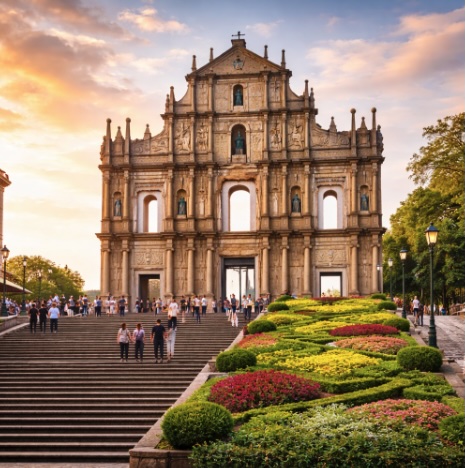
Macau: Ruins of St. Paul's, Macau Tower, Senado Square, Historic Centre of Macau, Chinese Mainland, Macau University, and Fortaleza do Monte
Macau Attractions Guide
1. Ruins of St. Paul’s
The Ruins of St. Paul's are the most recognisable historic landmark in Macau and one of the city's essential visitor attractions. Set in the historic centre, the dramatic stone façade is all that remains of the former Church of Mater Dei, which was built in the seventeenth century and reflects Macau's historic role as a meeting point in East Asia before it was later destroyed by fire. Its carvings and architectural details reflect the meeting of Portuguese, Chinese and wider Asian influences, making it one of the clearest visual symbols of Macau's mixed cultural heritage. Visitors usually approach the ruins by climbing the broad stone steps, which creates one of the most memorable photo opportunities in the city. The site also sits close to other important heritage landmarks, so it is easy to combine with Senado Square, Mount Fortress and the nearby Museum of Sacred Art and Crypt. As part of the UNESCO-listed Historic Centre of Macao, the Ruins of St. Paul's remain a must-see for anyone wanting to understand Macau beyond its casino resorts.
2. Macau Tower
Macau Tower is one of the city’s most visible modern landmarks, rising 338 metres above the skyline. It offers panoramic views across the Macau Peninsula, Taipa, Cotai and the Pearl River Delta, making it a strong choice for visitors who want to get their bearings early in a trip. The tower is also known for its adventure activities, including Skywalk, Skyjump, Tower Climb and the Guinness World Record highest commercial bungy jump from a building at 233 metres. For less daring visitors, the observation areas and dining options still make it a worthwhile stop. The contrast between the tower’s modern design and Macau’s older historic districts also helps show how varied the city has become. For CasinoJester readers staying around Cotai or the main casino areas, Macau Tower is an easy attraction to add to a broader sightseeing itinerary.
3. Senado Square
Senado Square is the bustling heart of Macau and one of the best starting points for exploring old Macau on foot. The square is known for its black-and-white wave-patterned Portuguese paving, pastel-coloured colonial buildings and lively pedestrian atmosphere, and it connects easily to shopping streets such as Avenida de Almeida Ribeiro. It has long been one of the city's main civic and commercial spaces, and today it remains a popular meeting point for visitors, shoppers and local residents. From here, it is easy to walk towards St. Dominic's Church, the Ruins of St. Paul's and several other heritage sites in the Historic Centre. The square is especially photogenic because it combines European-style architecture with the everyday energy of a busy Asian city. For first-time visitors, Senado Square gives a quick and accessible introduction to Macau's Portuguese and Chinese cultural blend.
4. Historic Centre of Macau and Fortaleza do Monte
The historic streets, public squares, temples, churches, civic buildings and fortifications across twenty five historic locations. It preserves the story of Macau as a gateway for trade and was later treated by Portugal as an overseas province, while the heritage zone shows a mix of architectural styles that reflects how Macau preserves its cultural identity. The wider area also includes churches and chinese temples. Visitors can explore the area on foot, moving between narrow lanes, open squares and landmark sites that show the city's layered identity. Fortaleza do Monte, also known as Mount Fortress, is one of the most important stops within this wider heritage area. Guia Fortress, built in 1622, is another key landmark in the broader historic landscape. Landmarks such as saint austin's church also reflect the city's religious heritage under Portuguese sovereignty. Built on Mount Hill, it offers elevated views over the Macau Peninsula and helps visitors understand the city's former defensive role. The fortress is also home to the Macao Museum, so it works well as both a viewpoint and a cultural stop within the same visit.
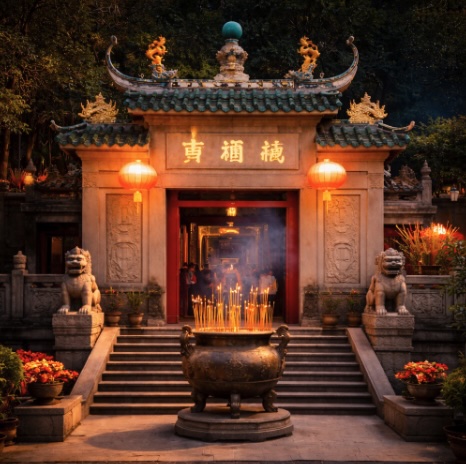
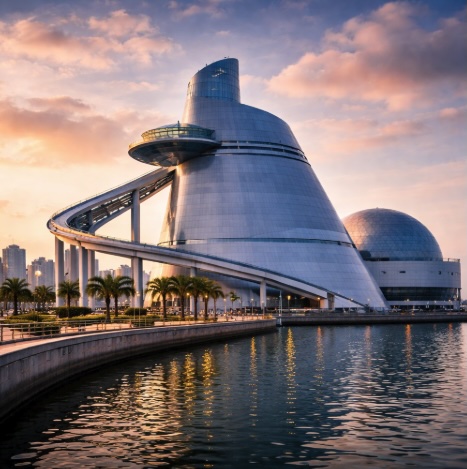
Macau: A-Ma Temple, Macau Museum, Former Portuguese Colony, Macau Hospitals, Chinese Silk, Free Port, Gambling Capital, Macau Fisherman's Wharf and Macao Science Centre
5. A-Ma Temple
A-Ma Temple is one of Macau's oldest and most culturally significant temples. Located on the southwestern tip of the Macau Peninsula, it is built into the natural slope of Barra Hill and has long been associated with seafarers, trade and local religious life. The temple is dedicated to Mazu, also known as A-Ma, a protective sea goddess widely worshipped in southern China and coastal communities. The name “Macau” is commonly believed to be linked to “A-Ma-Gau”, meaning the Bay of A-Ma, which gives the temple a special place in the city's origin story within a wider landscape of important chinese temples. Its halls, pavilions, stone carvings and incense-filled courtyards create a calmer atmosphere than many of Macau's busier tourist spots. For visitors interested in heritage, A-Ma Temple is one of the clearest examples of Macau's Chinese traditions sitting alongside its Portuguese colonial history. A-Ma Temple is dedicated to the Taoist goddess of seafarers. Another notable traditional religious site is pou tai un temple, which remains linked to local worship.
6. Macau Museum
The Macao Museum is located within the Mount Fortress area, making it a natural stop after visiting Fortaleza do Monte and the Ruins of St. Paul's. The museum focuses on the history, culture and multicultural identity of Macau, using objects, displays and exhibitions to explain how different communities shaped the city over time. It is especially useful for visitors who want context before or after walking through the historic centre. The exhibits cover everyday life, trade, religion, art, traditions and the relationship between Chinese and Portuguese influences, helping explain the period before and after chinese rule and how macau represents a distinct identity within China. Because the museum sits inside one of Macau's key heritage locations, the setting adds extra depth to the visit. It is a good option for families, history fans and anyone wanting a more rounded understanding of Macau beyond its hotels, casinos and shopping districts.
7. Macau Fisherman’s Wharf
Macau Fisherman's Wharf is a waterfront leisure and entertainment complex near the Outer Harbour. It combines themed architecture, restaurants, shops, hotels, event spaces and leisure areas, making it very different from Macau's older heritage attractions. The complex is designed around international-style waterfront scenes, with buildings inspired by different architectural traditions and seaport settings. It is a useful stop for visitors who want a relaxed walk, a meal, or a change of pace from the busier casino-resort districts. The location also makes it convenient for travellers arriving through or staying near the Outer Harbour area. While it may not have the same historic weight as Senado Square or A-Ma Temple, it adds another side to Macau's tourism offer and works well for casual daytime exploring. The waterfront area is also used during major annual events such as the international fireworks display contest.
8. Macao Science Centre
The Macao Science Centre is a modern family-friendly attraction with a distinctive futuristic design on the waterfront. Inside, visitors can explore interactive exhibition areas covering subjects such as astronomy, technology, physics, biodiversity, sound and children’s science. The centre is particularly strong for families because many exhibits are designed to be hands-on rather than purely observational. Its planetarium shows are another major draw, giving visitors a more immersive educational experience. The attraction is a good contrast to Macau’s historic streets and casino resorts, especially for travellers looking for something indoors, educational and suitable for children. For a balanced Macau itinerary, the Science Centre works well alongside Macau Tower, Fisherman’s Wharf or other waterfront stops.
Macau: Taipa Village and Taipa Houses Museum, House of Dancing Water, One Major Private Hospital, Portuguese Cultures, Las Vegas, Pearl River Delta, Macau Peninsula, Chinese Citizens, and Honourable Mentions
9. Taipa Village and Taipa Houses Museum
Taipa Village offers one of Macau's most atmospheric neighbourhood experiences, especially for visitors who want to explore beyond the main casino areas. Its narrow streets, small shops, bakeries, restaurants and food stalls make it a good place to try traditional Portuguese dishes adapted in Macanese cuisine, along with local snacks. One standout local specialty is African chicken, a Macanese favourite shaped by Portuguese colonial influences and known for its spicy grilled flavour. The area gives a more everyday view of Macau, with a mix of Chinese community life, Portuguese influenced buildings and independent places to eat and drink. Nearby, the Taipa Houses Museum adds a more formal heritage stop to the visit. The museum complex is made up of restored historic houses that now present aspects of Macanese living, culture, exhibitions and creative activity. Together, Taipa Village and the Taipa Houses Museum make a strong pairing for visitors who want food, photography, local atmosphere and colonial-era architecture in one easy walking area.
10. House of Dancing Water
House of Dancing Water is one of Macau's best-known live entertainment attractions and is staged at City of Dreams. The show has now returned with a reimagined production, combining water effects, acrobatics, stunts, lighting, choreography and large scale theatrical storytelling. It is especially relevant for visitors staying around Cotai, where many of Macau's major casino resorts and entertainment venues are located. Unlike a standard theatre show, House of Dancing Water is built around an aquatic stage environment, which gives it a strong visual identity and makes it one of the city's standout evening experiences. It works well as a premium night out after a day spent sightseeing around the historic centre, Taipa or the waterfront. Visitors should check current performance dates, ticket availability and seating options before planning around it, as show schedules can change.
Honourable Mentions
While these top 10 attractions are must-visits, Macau offers countless more treasures. For those looking to explore beaches, Hac Sa Beach stands out with its unique black sand and is a popular destination for both locals and tourists. Nearby, Coloane Village is the perfect place for a relaxing day trip, known for its colorful houses and famous Portuguese egg tarts. The Giant Panda Pavilion in Coloane is also a highlight, housing two giant pandas for visitors to enjoy.
Macau is renowned for its Macanese food, often described as the world's first fusion cuisine, blending Mediterranean and Chinese flavors. Popular dishes include egg tarts, almond cookies, sweet pork jerky, pork chop bun, and pasteis de nata. Popular Macanese dishes include caldo verde and minchee, and visitors can also find traditional Portuguese dishes alongside local fusion food. Macanese cuisine also features influences from Indian and Malay dishes. Cha chaan teng serves a fusion of Western and Macanese food.
The Historic Center of Macau, a UNESCO World Heritage Site, reflects the city's past as a Portuguese territory for nearly four centuries until 1999. As a former Portuguese territory, it still shows clear Lusophone influence in its streets, churches, and cuisine.
For entertainment, the Parisian Macao features a half-scale replica of the Eiffel Tower, while City of Dreams hosts the immersive TeamLab SuperNature digital art experience. Macau's casinos are a major draw, with the Cotai Strip often called the Las Vegas of Asia and lined with luxury hotels. The Venetian Macao boasts the largest casino floor space in the world, and the Grand Lisboa is a landmark hosting some of the biggest card games. Hotel Lisboa is one of the city's classic gambling landmarks. Visitors can enjoy a wide variety of gaming options, from roulette and blackjack to baccarat, slots, and Texas Hold'em, with minimum bets varying between casinos. Casino gambling is conducted in Hong Kong dollars (HKD), and casino gambling was legalised in 1962, with competition expanding after open bidding for casino licences in 2002, reshaping the gambling industry. In 2018, the sector generated about $37 billion in revenue and still brings in over MOP195 billion annually. Gambling also accounts for 79.6% of tax revenue, and about 68% of casino patrons are tourists from mainland China. Macau's economy remains heavily tied to tourism and gaming, even as officials try to attract foreign investors.
Travellers can navigate Macau easily using free casino shuttle buses that connect major attractions and hotels, and many attractions offer free admission, helping visitors save money. Prepaid SIM cards are available for purchase at various locations for better connectivity. Arriving in Macau is convenient, with options including the airport on Taipa Island, ferry services, and the Hong Kong-Zhuhai-Macao Bridge; Macau International Airport serves over 8 million passengers annually, even as some links to Hong Kong Airport have been reduced. Overland connections via Zhuhai Railway Station and direct buses to Shenzhen Airport are also useful for regional travel. Local transport is straightforward too, with over 400 km of roads, bus services covering more than 80 routes, average taxi fares on the peninsula at about MOP$45, and the Macau Light Rapid Transit operating since December 2019. To avoid long queues, it's best to plan your visit outside weekends and holidays.
Popular activities for tourists and first time visitors include exploring casino resorts, joining walking tours, and taking day trips to nearby destinations. Lunar New Year, usually in late January or early February, is the most important traditional festival in Macau. The Dragon Boat Festival and Hungry Ghosts Festival are also notable traditional celebrations. The International Music Festival, Macau Grand Prix, and Macau International Marathon are major annual events. Don't forget to Macau book experiences and plan your next trip to discover even more. Macau is a top destination for travellers and visitors from around the world, including Europe, and its lively atmosphere is shaped by the many tourists who flock to its attractions.
Other notable sites include Guia Fortress & Lighthouse, a historic site with a 17th century chapel located on the highest point of the peninsula. Whether it's your first visit or you're returning after your last visit, Macau always has something new to explore.
www.casinojester.co.uk

Overview of the Macau Special Administrative Region
Macau stands out as a destination that attracts visitors and tourists from around the world, especially first time visitors eager to explore its unique attractions. Whether you’re here to wander cobbled heritage streets, marvel at theatrical spectacles, or enjoy adrenaline fuelled adventures, Macau offers something unforgettable for every traveller. The city’s attractions highlight its unique balance between East and West, old and new, making it one of the world’s most fascinating destinations.
www.casinojester.co.uk
CJ Guides and Reviews
CJ Travel Guide
The Top 10 Best Casino Hotels from Around the World
The Top 10 Best Casino Restaurants from Around the World
Top 10 Best Books About Macau
Top 10 Best Books About Monte Carlo
Top 10 Best Books About Las Vegas
CJ Info Guide
Gambling Growth in Asia
CJ Casino Review
Spin Casino Review and Current Offers
Prime Slots Casino Review and Current Offers
prime Casino Review and Current Offers
Lord Ping Casino Review and Current Offers
CJ Baccarat Guide
The Luxurious History of Baccarat
Top 10 Best Books About Baccarat
CJ Guides
Guides and Reviews Index
SEPTEMBER 2026
Top Features of UK Online Casinos
Playing at our recommended casinos offers an exciting and secure gaming experience. Enjoy generous online casino bonuses, a wide variety of gaming options, and robust security measures.

UK Regulated, secure & trusted

Huge variety of games, jackpots, free spins & bonuses

All casinos offer Responsible gambling tools

Fast, safe & simple deposits & withdrawals

Good Customer Service

Clear & simple design to ease usability
Trusted by top brands in the industry