







Poker Tips: Top 10 Best Ways to Play Better
Tips, Tactics and Strategy for Playing Poker Better in Casinos and Online.
Poker is no mere card game, but the crown jewel of the casino, a sport, a hobby and depending on your confidence levels, a lifestyle. Part skill, part psychology and part chance, poker has been glamorised on television screens in Las Vegas poker rooms, online tournaments and even in Hollywood.
Of the variations played, one game dominates: Texas Hold’em. The game gets played at the World Series of Poker, streamed by Twitch stars and dealt in casinos from Macau to Monte Carlo. For both pro’s and casual players in general, Hold’em strikes the right balance between simplicity and depth, in terms of rules and strategy.
Understanding basic poker concepts is crucial for anyone starting their poker journey, as mastering fundamentals like pot odds and bet sizing lays the groundwork for long-term improvement.
But here’s the deal: luck can only take you so far. If you want to take your results to the next level and bask in poker’s glamour, you need a guidebook of strategies and habits that separates good players from great ones.
This guide offers 10 quality poker tips that, if used well, will help increase your chances of winning some hands when playing poker, whether you are a beginner or an intermediate poker player playing at a live casino or an internet poker room.
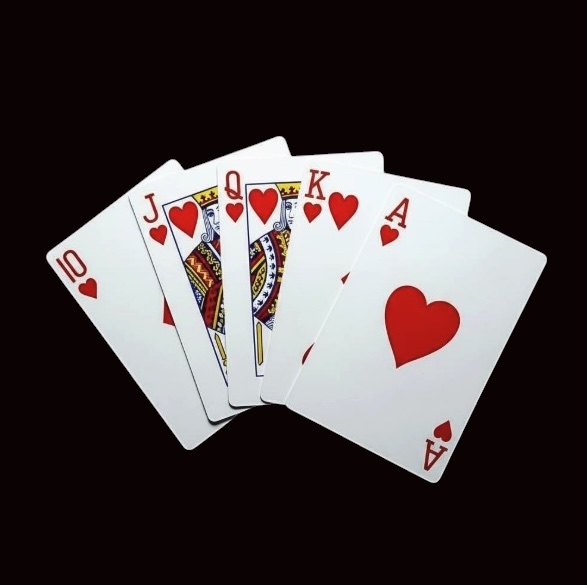
Poker Tips: Play Poker, Texas Hold Em, Poker Strategy, Online Poker, Learn The Rules and Variants, Start With Fewer Hands, Play Aggressively When Entering Pots, and Pay Attention to Position
Poker Tips
Tip 1: Learn the Rules and Variants
So before you can play better, you need basic knowledge of the rules inside and out. In texas hold'em, each player is dealt two cards, known as hole cards. Next, five community cards are dealt face-up on the “poker table.” The idea is to try to make the best five-card hand you can, using any combination of your two pocket cards and the five community cards.
Familiarise yourself with:
Hand rankings
· A flush beats a straight, three of a kind beats two pair, and so on; for example, a straight flush sits above lower made hands in the rankings.
Rounds of betting
· Pre flop, flop, turn, and river. Each phase is a betting round and brings new decisions.
Positions
· Small blind, big blind, dealer button, determine when to bet and play.
Building your poker knowledge and developing poker skills through study and practice is essential for mastering these rules and becoming a consistent winner.
But every poker variation, from texas hold'em, including popular forms like limit texas hold'em, to Omaha or seven-card stud, involves the same mechanics, and most serious players should learn how to play texas hold'em at least. Call it the “gateway game” to the broader, lavish poker world.
Tip 2: Start with Fewer Hands
Starting hand selection is fundamentally important in poker. And among the most common mistakes most people and many players make? Playing too many hands, including those that aren't worth playing.
The volatile action of poker makes it tempting to play every flop. But patience is the hallmark of successful card players. Rather than sploshing around every pot, watch for the hands with considerable potential.
Starting hand guidelines:
· Strong hands to flip over: Aces (AA), Kings (KK), Queens (QQ), Ace-King (AK).
· Hands to play in Late position: Suited connectors, middle pairs (77-99).
· Fold the junk: Hands such as 7♦ 2♣ or 9♥4♠ might seem delightful, but they’re long-term losers.
Position at the table also affects which hands are worth playing, players should play more hands in late position than in early position, where tighter hand selection is crucial.
Bear in mind that poker is not about quantity. Sometimes, sitting patiently, even folding 20 or more hands in a row, is the best course of action.
Tip 3: Play Aggressively When Entering Pots
If you’re going to play a hand, play it with assurance: strong pre flop players prefer to raise or fold pre flop rather than limp. Players should avoid limping as the first player to enter a pot, because limping into a poker pot by just calling the big blind instead of raising generally puts you at a disadvantage. That’s the basis of a tight aggressive strategy for long-term success. Raise your good hands instead. Pre flop, a re raise can be the stronger option when you want to apply pressure with premium holdings. When you probably have the best hand, it is a way of building the pot, and a larger bet often extracts more value and pressure than passive play. This also puts pressure on weaker players and generates errors.
For instance, if you have A♠ K♠, you will raise pre flop, while with weak holdings you should usually stay out rather than enter passively. Limping only gets you in trouble; raising gives you control. Aggression in poker can disguise the strength of your actual hand, making it harder for opponents to read you. Aggressive play can also lead to more money by forcing opponents to fold better hands.
The most glamorous side of poker isn’t wearing sunglasses or dressing in loud colours at the table: It’s projecting strength and confidence through intelligent, aggressive play. Making the correct play, rather than just playing passively, is key to long-term success.
Tip 4: Pay Attention to Position
In poker, who you sit with can be as important as what you hold.
Your position determines when you act during a hand, and that affects how much information you have before making a decision.
Early position (blinds, under the gun)
· Early position means you act first or close to first. This is the toughest spot because you have little information, so you usually need stronger hands to play.
Both players in the cutoff and on the button
· You’ll be last to act here, being able to see the entire board. Acting after most players gives you a significant advantage, as you can observe their actions before making your decision. This late position allows you to better estimate your opponent's range based on their betting patterns and behaviour.
· Late position, especially the cutoff and button, is much more powerful. You get to see what most players do before you act, which gives you more control over the hand and lets strong players open or continue with a wider range from late position.
· Acting later also makes it easier to judge whether weakness is genuine, whether one opponent or several players are likely to continue, and whether a bluff has a better chance of working before you decide.
· Texas Hold’em “On the button,” or the player who must act last in a hand of Hold’em, is the most powerful seat at the table. Before deciding, you’ll be able to see what everyone else does. For example, hands like top pair, middle pair, or even ace high can be played more profitably from late position, since you have more information about your opponents and can judge whether your hand is likely ahead or behind their range.
Hint: The profitability of even marginal hands can be transformed when you’re playing them from late position. Position is a concealed gift, and experienced players use it to take control of the table. Because of this, good players are usually more aggressive in late position and more selective in early seats.
Poker Tips: Poker Players, Best Strategy, Hold Em, Bluff Smartly and Sparingly, Manage You Bankroll, and Learn to Read Opponents
Tip 5: Bluff Smartly and sparingly
Poker’s flashiest play is the cinematic all-in with only air. But at the real table, bluffing will always drain your chips if you do it when it doesn’t make sense. Even if you don’t have a winning hand, a successful bluff can convince your opponent that you do, allowing you to win the pot without the best cards, and it works best when your line credibly represents a strong hand from their point of view.
Here’s how to bluff with more success:
- Be selective with your spots: Bluff when the board, action, and stack sizes all tell a believable story.
- Use semi-bluffs wisely: A semi-bluff means betting with a drawing hand that is behind right now but can improve on later streets if called.
- Know your audience: Bluffing players who hate folding is usually a losing move. Against bad players who call too often, don’t try to force folds with a weak hand—target them with a value bet instead.
- Attack weakness: If your opponent shows vulnerability through passive play, like checking repeatedly, that can create a good bluffing spot.
- Don’t overdo it: If you bluff too often, people will catch on and start calling you down.
Bluffing is all about making your actions tell a story that your opponent believes. Turn or river scare cards can also help you apply pressure to tight players when the board changes in a believable way. Some opponents only continue with a very strong hand, which makes credible pressure even more effective.
Tip 6: Bankroll Management and Understanding Pot Odds
The best poker players in the world can’t scoop up every pot or game. That’s why bankroll management is so important.
· Establish limits: Only play with money you can afford to lose.
· Play stakes appropriately: You shouldn’t dive into high-stakes games if your bankroll can’t handle it. A standard guideline is 20–30 buy-ins for the level you play, whether you play cash games regularly or mix formats. Once your bankroll is strong enough for the next level, you can start playing that limit gradually instead of moving up too soon.
· Don’t be a loss chaser: Nothing is less glamorous than when emotions take over.
Effective bankroll management helps you keep more money in the long run by minimising losses and maximizing your ability to play consistently. Additionally, tracking your poker results is essential for measuring your progress and identifying areas to improve your strategy.
It’s important to keep in mind that poker is a long-term game. It’s good to occasionally be able to run hot, but remember, your skill level gets to shine through the longer that you can play.
Tip 7: Learn to Read Opponents
Poker is a people game as much as it is a card game. The skill to read opponents is what differentiates a casual player from a pro. However, good poker players are much more difficult to read and adjust to, as they often disguise their intentions and adapt quickly. Reading opponents also means not overvaluing a medium-strength hand when strong action suggests you may already be beaten.
· Live tells: A little shake in your hand can signal nerves. Quick bets can signal confidence & strength; a pause on the way to a bet can be a show of doubt. Eye contact, posture and chip handling provide clues.
· Online tells: Bet sizing: In this spot, a small bet can indicate weakness in some lines, while stronger actions often use different sizing. Tracking bet sizes also helps you separate probing actions from more value-heavy lines.
· Timing: Quick glances vs lingering gazes can be telling.
A read on an opponent's range based on sizing and timing can help you decide whether your hand is truly strong or just a bluff-catcher.
In online poker, reviewing your hand history is a valuable tool for analyzing opponents’ tendencies and identifying patterns in their play. This can help you spot leaks in your own game and refine your strategy.
Poker is commonly known as psychological warfare. Recognising patterns and adjusting your play is the smartest and edgiest thing you can do in a poker game. Remember, playing against weaker opponents increases your chances of winning in poker, so table selection is also a key part of a better poker strategy.
Click here for 20 Greatest Casino and Gambling Movies Guide


Poker Tips: Be Patient and Disciplined, Implied Odds, Fundamental Theorem, Bad Beats, re raise, Keep Learning, and Practice Online Safely
To improve your poker skills, play regularly, watch instructional videos, read books, and focus on specific strategies using tools and study methods designed to help you improve your poker game and confidence over time.
Tip 8: Be Patient and Disciplined
Impatience is poker’s silent killer. Tilt is a destroyer of bankrolls, dreams, and poker careers. A key rule of poker is to avoid chasing losses and playing recklessly after losing a few hands, a place known in the game as “tilt”. When you allow yourself to lose control of your emotions, the only person you are hurting is yourself, so keep an eye on your own play before emotion distorts your decisions. The psychological side of poker can be overwhelming, and you need to be ready to deal with it. You should only play poker when you feel mentally prepared, focussed, and happy. A 2014 Bwin study found that mental training techniques used by athletes can improve poker performance by sharpening concentration and self-control.
In the first half hour at the table, assess your opponents and the table conditions carefully. Identifying weaker players within this half hour can help you decide whether to continue playing or move to a better spot. Players who are emotionally affected by their results often struggle to maintain a consistent strategy, while good players can let go of any emotional attachment to their hands, average players often cannot.
The cure? Discipline.
· Fold when the maths and or the position warrants doing so. Folding is a critical skill; good players can lay down strong hands when they believe they are beaten, a mindset that also matters to any professional poker player.
· If the frustration mounts, take breaks; bad beats and bad luck are inevitable, and they should never dictate your next decision.
Note: folding is frequently the best play.
The fortunes of some of poker’s richest legends came not from varying their hands more widely but from waiting for the perfect time to bring the hammer down.
Tip 9: Keep Learning
The poker world is wide, and the best players never stop learning, because effective poker strategies improve through study, practice, and adjustment to opponents and position. If you want to play better poker, you need to keep building your poker knowledge and poker skills through study and practice.
Review your own hands regularly so you can spot patterns, fix mistakes, and find the best strategy for your own style instead of copying someone else exactly, and remember that professional players keep studying because decision quality after the flop matters as much as starting-hand charts.
· Read classics like Super System by Doyle Brunson or Harrington on Hold’em. Some players prefer to learn mainly by playing, while others lean on books, videos, and community discussion.
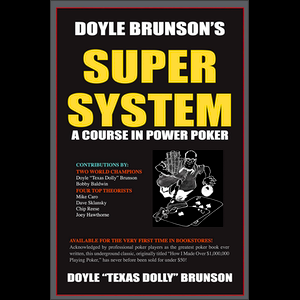
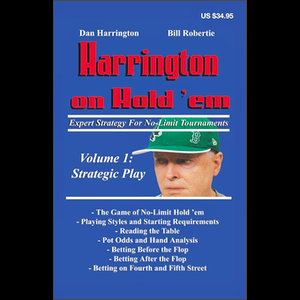
Click here for Top 10 Best Books About Poker Guide
· Watch modern strategy-centred content on YouTube or on Twitch. Videos are a valuable way to learn new strategies and see concepts in action.
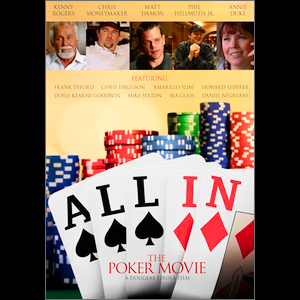

Click here for Top 10 Gambling Documentaries Guide
· Review your hands at the end of a session and see where you faltered. For example, by going over a hand where you lost a big pot, you might spot a mistake in your bet sizing or hand reading, helping you avoid similar errors in the future.
Even the most glamorous of them, from Phil Ivey to Daniel Negreanu, knew when to stop stacking their chips and start learning. So should you.
Tip 10: Practice Online Safely
Internet (online) poker is like a learning bootcamp, and it plays faster than live poker, so you see more hands and more variance.
Platforms offer:
· Play money or micro-stake games where you practice without spending a lot, ideally at the right online poker table or in softer game conditions.
· Time-based tournaments to quickly develop experience.
· A wide variety of formats, including cash games and tournaments, so you can play online poker in the style that suits you best, with lower stakes games often useful for practice because many opponents are passive and call too much.
Many sites also provide free games and resources, such as free poker odds calculators and beginner guides, allowing you to improve your skills without any financial risk.
Hint: Online games are more challenging than live games. Online poker also produces more frequent bad beats simply because the pace is faster. Considering these dynamics and adjusting accordingly gives you a safe space to practice before hitting those big tables.
To get better at poker, play online poker regularly and make use of free tools to track your poker results. Analyzing your game outcomes helps you measure progress and identify areas for improvement.
Poker is about skill, time and style. With the following advice, you can not only up your game, but also savour the splendour of playing like a pro.
Today’s online casinos offer everything from micro-stakes training tables to glamorous live-dealer poker rooms, and when new players sign up, they often offer generous bonuses.
www.casinojester.co.uk

Overview
Winning poker is built on a solid poker strategy, a deep understanding of basic poker concepts, and the drive to become a winning player. Poker is a mathematical game of incomplete information, where success depends on making the best decisions with the information available. Knowing the probability of hands, calculating pot odds, and understanding expected value (EV) are essential for making better decisions at the table, while implied odds are the extra money you expect to win on later streets when a draw comes in. Pot odds are the ratio of chips you can win versus the chips you need to put in the pot; you should compare your pot odds to the odds of completing your draw to determine if a call is profitable. For example, if you have a flush draw facing a bet, the right call depends on both the immediate price and the likely extra value you can win later. Chasing draws without the right price is a common losing mistake. If you make decisions as though you could see opponents’ cards, while they do not do the same against you, you gain over the long run.
Poker is about a whole lot more than cards, it’s a pulse-quickening combination of strategy, psychology and sex appeal. Use these 10 top tips to help you to step up your game:
· Play fewer, stronger hands.
· Use aggression wisely with a strong poker hand, and when you hold the best possible hand, the goal is usually to maximize value rather than get tricky; remember premium hands are usually played fast rather than through slow playing.
· Respect position.
· Bluff sparingly but effectively.
· Protect your bankroll.
· Study your rivals as much as the cards.
· Stay patient, stay disciplined, keep on learning — deceptive play has value, but should be used selectively rather than automatically, and even pocket aces can become a fold on later streets when tight action strongly suggests the nuts!
These strategies can help you play more skilfully, with more confidence, and, in the long run, enjoy the game more in whatever betting environment you find yourself in.
www.casinojester.co.uk
CJ Poker Guide
Beginner's Guide to Poker
Beginner’s Guide To Online Poker
Top 10 Best Books About Poker
Top 10 Biggest Annual Poker Tournaments
The Crazy History Of Poker
CJ Travel Guide
Top 10 Best Books About Las Vegas
CJ Casino Guide
Top 10 Best Books about Famous Gamblers
Top 10 Best Casino Strategy Books
The Top 10 Best Casino Hotels from Around the World
The Top 10 Best Casino Restaurants from Around the World
CJ Stats Guide
Who's Better at Gambling: Men or Women?
Which Countries Give us the Best and Worst Gamblers
CJ Casino Review
Betway Casino Review and Current Offers
William Hill Casino Review and Current Offers
Genting Casino Review and Current Offers
Hippodrome Casino Review and Current Offers
CJ UK Guide
Top 5 Casinos in London, UK
The Top UK Casinos
CJ Guides
Guides and Reviews Index
SEPTEMBER 2026
Top Features of UK Online Casinos
Playing at our recommended casinos offers an exciting and secure gaming experience. Enjoy generous online casino bonuses, a wide variety of gaming options, and robust security measures.

UK Regulated, secure & trusted

Huge variety of games, jackpots, free spins & bonuses
All casinos offer Responsible gambling tools
Fast, safe & simple deposits & withdrawals

Good Customer Service

Clear & simple design to ease usability
Trusted by top brands in the industry