






Pachinko Game: A Players guide
Japan’s Most Popular Game of Chance
Step into the streets of Tokyo, Osaka, or Nagoya, and you’ll quickly notice them: glowing neon signs, the hum of machines, and the unmistakable clatter of tiny steel metal balls echoing out onto the pavement. These are Pachinko parlours, the heart of Japan’s most iconic form of gambling and entertainment.
Pachinko is often described as a cross between pinball and slot machines, but it’s much more than that. It’s a cultural institution, a pastime that has captivated generations, and an industry worth billions. For beginners, Pachinko offers a fascinating blend of chance, excitement, and atmosphere unlike any other game. The annual revenue of the pachinko industry is $378 billion.
In this guide, we’ll explore everything you need to know: what Pachinko is, its fascinating history, how the machines work, how to play, and tips to make your first visit unforgettable. By the end, you’ll see why Pachinko isn’t just a game, it’s a truly Japanese experience.

Pachinko Game: What is Pachinko, A Brief History Of Pachinko, Lucky, Soot Balls, Strategy, Vibrant, and How Pachinko Machines Work
Pachinko Game Guide
What is Pachinko?
At its core, Pachinko is a mechanical gambling game that uses small steel balls instead of cards or chips. More than just a game, Pachinko is a traditional pastime and cultural phenomenon in Japan, enjoyed by locals and visitors alike, and serves as a social activity and stress reliever for many. Pachinko is a mechanical game popular in Japan, originating as a mechanical game in the early 20th century. Players shoot these balls into a vertical playfield filled with pins, bumpers, and gates. The aim is to land balls into special pockets that trigger jackpots, rewarding the player with even more balls.
These balls are both the “currency” of Pachinko and the prize. At the end of a session, players exchange their winnings for goods like electronics, beauty products, or snacks, which are then effectively paid out via nearby kiosks under a legal workaround. This ensures Pachinko skirts Japan's strict gambling laws while still functioning as a de facto casino game.
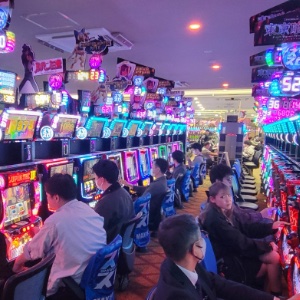
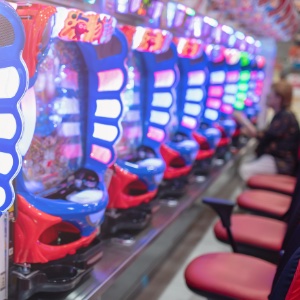
Walking into a Pachinko parlour feels like stepping into another world. Pachinko parlors are ubiquitous across Japan, with over 10,000 establishments nationwide, making them a common sight and an integral part of Japanese society. These venues attract visitors and tourists, contributing to the growth of tourism and offering an authentic Japanese entertainment experience. A pachinko parlour is a dedicated venue where players gather to enjoy the game. The air buzzes with excitement, lights flash in every direction, and machines blare with sound effects, music, and digital animations, often themed after popular anime, movies, or celebrities.
The bright lights and sounds of Pachinko parlours create a sensory overload that draws people from all walks of life. For beginners, it's an overwhelming but thrilling sight. At first, some parts of it may not make much sense to newcomers. Entry is strictly prohibited for those under 18, as minors are not allowed by law to enter or play in Pachinko parlours. Pachinko is often associated with addiction and financial problems, yet it remains a popular form of entertainment in Japan. The unpredictability and complexity of Pachinko reflects the nuances of modern Japanese life, serving as a metaphor for daily experiences. Pachinko also offers insight into Japan's complex relationship with entertainment, economics, and international politics.
A Brief History of Pachinko
The Origins
· Pachinko’s story begins in the 1920s, when small vertical pinball-style machines were introduced as children’s games in Nagoya. Known as the “Corinth games,” they quickly became popular among adults. Pre war pachinko machine designs from this era were entirely mechanical, and vintage machines vary significantly in their layouts, pocket locations, and gameplay mechanics compared to modern models.
Post-War Boom
· After World War II, Pachinko exploded in popularity. Japan was rebuilding, and cheap entertainment was in demand. Pachinko parlours sprang up in cities across the country, becoming one of the most popular leisure activities of the era. Old fashioned pachinko machines and mechanical pachinko machine models dominated parlours during this period, relying on straightforward payout mechanisms and traditional mechanical components.
The Golden Era
· From the 1960s to the 1980s, Pachinko had become a national obsession. Parlours dotted every major street, and Pachinko revenues rivalled those of traditional industries. Families and office workers flocked to parlours, and the game became part of Japan’s cultural fabric. Vintage machines from this era featured simpler designs and distinct play area configurations, offering a different strategic experience than today’s electronic models.
Modern Pachinko
· Today, Pachinko remains a multi-billion-dollar industry, deeply ingrained in the daily lives of many Japanese people. The industry also has historical ties to ethnic Koreans in Japan, with many parlour owners having connections to North Korea. Though not as dominant as in its peak decades, it still generates more revenue than Las Vegas casinos. Modern Pachinko machines feature digital screens, interactive features, improved sound and graphics, and better overall performance, with tie-ins to anime series like Evangelion or Dragon Ball keeping the experience fresh and exciting. Pachinko serves as a metaphor for life in modern Japanese society, reflecting its unpredictability, contradictions, and complexity.
How Pachinko Machines Work
Pachinko machines might look complicated for newcomers, but the basics are simple once you understand the setup.
The Pachinko Machine
· Vertical Playfield: Unlike pinball, Pachinko is played on a vertical board filled with pins and pockets.
· Steel Balls: Players purchase small steel balls to play Pachinko. To start playing, players insert cash into the machine to receive Pachinko balls, which are then loaded and launched using a knob or lever.
· Gates & Pockets: The key target is the catcher, often in the middle area of the playfield, where landing a ball can trigger the reels.
Modern machines may also award extra balls when a winning sequence is triggered.
Pachinko is a game that combines elements of pinball and slot machines. The process begins when you insert cash into the machine to receive balls. You then launch the balls into the playfield using a lever or handle. As the balls bounce through the pins, landing in specific pockets or gates can trigger in-game events and potential winnings, which can later be exchanged for prizes. Understanding this process is key to enjoying and mastering Pachinko.
Over time, pachinko machines incorporated electronic and digital components, evolving from purely mechanical devices to more advanced and interactive machines.
Pachinko Game: The Objective, Shoot Balls, Trip, Hole, The Rewards, and How To Play Pachinko
The Objective
The main objective in pachinko is to get the balls to fall into specific pockets to win more balls. Balls won during play can be redeemed for prizes or tokens at the prize counter. The number of pachinko balls won determines how many balls can be exchanged for prizes, so players often keep track of how many balls they have accumulated during play. Pachinko balls are rented from the venue and cannot be taken home after playing.
As balls rain down across the pins, most will fall into the bottom tray and be lost. But if a ball lands in the special winning pocket, it activates a slot-style mechanism on the machine's digital display.
If the reels align correctly, the machine enters “fever mode”, rewarding the player with a cascade of balls, flashing lights, and thrilling animations, and some modern machines also include rare modes that improve the chance of continued wins. After a jackpot, players can enter a special mode that increases their chances of winning more balls. Koatari jackpots offer no payout but can trigger kakuhen.
At the end of play, any remaining balls should be transferred to the collection box, where they are counted and redeemed before leaving the venue. Players receive a voucher for their balls at the counter.
The Rewards
Winning balls are collected in trays beneath the machine, and the total amount counted at the end determines the prize exchange value. After winning, players receive a receipt or card that records their remaining balance or winnings, which is then used to determine the payout or prize at the counter. The number of pachinko balls won determines how many balls can be exchanged for prizes, so players often keep track of how many balls they have accumulated during play. At the end of a session, these are exchanged for prizes at the counter, and the amount you receive depends on how many balls you played for and, in effect, the size of your bet; for example, one special prize worth ¥1500 is given for 400 balls.
How to Play Pachinko: Step by Step
1. Buy Your Balls
· Purchase a tray of balls at the parlour’s counter or via automated machines.
2. Load the Machine
· Place balls in the loading slot.
3. Control the Launch
· Use the knob (or sometimes a handle) to control the speed and force of the balls.
· The trick is to find the sweet spot where balls consistently land in the right area.
4. Watch the Action
· Balls cascade through the pins, bouncing unpredictably.
· Most will fall away, but some will land in winning pockets.
5. Trigger Jackpots
· Landing in the jackpot gate activates the slot reels on the machine's screen.
· If the reels align, you hit a winning round, and a jackpot prize can follow with a flood of new balls.
6. Collect Your Winnings
· Gather balls in trays as they pour out.
· Exchange them for prizes when you’re done.
7. Prize Exchange
· Trade balls for goods like chocolates, electronics, or branded items inside the parlour. Take those prizes to a nearby exchange booth (separate but affiliated), where you’ll receive a receipt or card showing your winnings, which is used to determine your payout. Due to Japanese gambling laws, direct cash payouts are illegal, so a three-shop system is used: you exchange balls for prizes at the parlour, then those prizes can be traded or redeemed for cash at a nearby exchange booth. Remember, you can only cash out your remaining balance on the same day you play.
This process ensures you follow all regulations while enjoying the excitement of pachinko.
Pachinko Game: Beginner Tips and Tricks, The Glamour and Culture Of Pachinko, and Pachinko In The Online Era
Beginner Tips and Tricks
· Start Small: Don't go all in on your first tray of balls. Learn how the machine feels, because it's easy to spend more than planned when chasing one that looks promising.
· Control the Knob: The secret to Pachinko is consistency. Slight adjustments can make a big difference.
· Observe the Room: Watch where regular players sit. Locals often know which machines are “hot.”
· Understand Probability: Pay attention to visual cues like colour shifts, 'big chance predictions,' or 'Special Time' indicators, these can signal better odds of winning or triggering bonus rounds. As a simple example, a flashing sequence or bonus style animation can give beginners a general idea of whether the current state points to better or worse odds.
· Avoid Common Mistakes: Beginners often make the mistake of ignoring machine cues or chasing losses. Stay aware of your play and avoid these pitfalls to improve your experience.
· Remember, it's Mostly Luck: Pachinko is primarily a game of chance, unlike poker or blackjack. The skill lies in managing your play, not beating the machine. Modern pachinko machines offer different play modes and jackpot modes, so a special mode can switch the feel of a session and sometimes improve the odds after a jackpot.
The Pachinko industry has also faced challenges due to Japan's aging population and stricter regulations aimed at curbing gambling addiction.
The Glamour and Culture of Pachinko Parlours
Pachinko is more than a game; it's an experience steeped in Japanese culture.
The Pachinko industry is worth billions of yen and is deeply ingrained in the daily lives of many Japanese people. It occupies a legal grey area in Japan, as parlours skirt strict anti gambling laws by offering prizes instead of cash directly. The industry is also known for its complex ties to organised crime, and a significant portion of parlours are owned by ethnic Koreans with historical links to North Korea, some profits are allegedly funnelled back to support North Korea's nuclear weapons program. The use of yen is central to the game, from buying balls to converting winnings, and understanding this is key to grasping the gambling aspect of Pachinko.
Step inside a Tokyo Pachinko parlour, and you're immediately struck by:
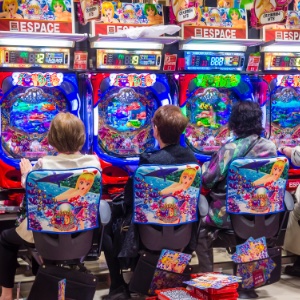
· Neon Lights & Sounds: Rows of glowing machines, each flashing with anime characters or themed graphics.
· Atmosphere: A mix of cigarette smoke, mechanical clatter, and digital jingles creates an unmistakable vibe.
· Celebrity & Pop Culture: Many Pachinko machines are themed after Japanese pop stars, movie franchises, and manga. Playing a “Godzilla” or “AKB48” Pachinko machine feels like stepping into a mini-show.
Parlours range from small neighbourhood joints to massive entertainment complexes with hundreds of machines, and the modern parlour remains as much a social hangout as a place to play. For many Japanese people, Pachinko is both a leisure activity and a cultural ritual, much like visiting a pub in the UK or a sports bar in the US. Smoking is allowed in most pachinko parlours in Japan.
Responsible Gambling
The noise and excitement make losing track of time (and money) easy. Pachinko can be a source of gambling addiction and financial problems for some players. Always play responsibly and set limits for yourself. For more information, see gambling addiction resources.
Pachinko in the Online Era
While Pachinko parlours remain uniquely Japanese, the digital age has brought Pachinko online. The game itself occupies a legal grey area in Japan, as parlours avoid strict anti gambling laws by awarding prizes instead of cash directly. The industry also faces challenges from Japan's aging population and tighter regulations aimed at curbing gambling addiction.
· Pachislot Machines: These hybrids blend Pachinko mechanics with slot machines, creating a fusion of East and West. Modern pachinko machines offer digital slot machine features, where electronic randomisation and digital screens determine game outcomes and jackpots. Various pachinko models are now available online, allowing players to experience different designs and gameplay styles, along with the same machine information windows seen on physical units.
· Online Pachinko Simulations: Players worldwide can now enjoy Pachinko-style games, often with anime themes, through apps or online casinos on a phone or tablet. Many online Pachinko simulations use yen as the in-game currency, mirroring the real life experience and helping players understand the cost of balls, wagers, and prize values.
· Global Influence: Pachinko's flashing lights, sound design, and jackpot mechanics have influenced modern slot machine design, making its DNA present in online casinos everywhere.
For beginners outside Japan, online versions are the best way to get a taste of Pachinko's excitement.
Pachinko parlours may be a uniquely Japanese experience, but the same thrill of flashing lights, jackpots, and endless entertainment is available online.
Today, online casinos offer slots, Pachinko style games, and live dealer experiences, bringing the neon thrills straight to your screen.
www.casinojester.co.uk
Overview
Pachinko is a game like no other, part slot machine, part cultural ritual, part spectacle.
· Its origins lie in children’s toys but grew into a national obsession after World War II.
· Pachinko parlours remain a symbol of Japanese nightlife, blending neon glamour, cultural icons, and high-energy entertainment.
· For beginners, the rules are simple: buy balls, shoot, and hope for jackpots. The real fun is enjoying the atmosphere.
· Today, Pachinko’s influence extends globally, shaping slot machines and inspiring digital versions online.
Whether you’re sitting in a smoky Tokyo parlour, surrounded by flashing lights, or spinning a Pachinko-style slot game on your phone, one thing is sure: the thrill of Pachinko is timeless, irresistible, and unforgettable.
www.casinojester.co.uk
CJ Guides and Reviews
CJ Mahjong Guide
Beginner's Guide to Mahjong
Top 10 Biggest Mahjong Tournaments
CJ Keno Guide
Beginner’s Guide To Online Keno
CJ Bingo Guide
Beginner’s Guide To Online Bingo
CJ Slots Guide
Beginner’s Guide To Slot Machines
Beginner’s Guide To Online Slots
Beginner’s Guide to Progressive Jackpot Slots
Beginner’s Guide To Slingo
The Best Slot Volatility For Your Playing Style
The UK's 15 Most Popular Online Slots
Top 20 Globally Most Popular Mobile Casino Slots
Beginner’s Guide to Mobile Scratch Cards & Instant Win Games
CJ Global Guide
Gambling Growth in Asia
CJ Casino Review
Hippodrome Casino Review and Current Offers
Betway Casino Review and Current Offers
Genting Casino Review and Current Offers
Prime Casino Review and Current Offers
CJ Guides
Guides and Reviews Index
SEPTEMBER 2026
Top Features of UK Online Casinos
Playing at our recommended casinos offers an exciting and secure gaming experience. Enjoy generous online casino bonuses, a wide variety of gaming options, and robust security measures.

UK Regulated, secure & trusted

Huge variety of games, jackpots, free spins & bonuses

All casinos offer Responsible gambling tools

Fast, safe & simple deposits & withdrawals

Good Customer Service
Clear & simple design to ease usability
Trusted by top brands in the industry