








Mahjong Guide: Top 10 Best Tips to Play Better
Traditional & Online Casino Strategy Guide
Mahjong is more than just a game; it’s a cultural icon, a test of memory and strategy, and a source of social connection across Asia and beyond. Originating in 19th-century China and spreading worldwide, Mahjong has evolved into a family pastime, a professional tournament discipline, and even an online casino game with real-money variants.
Whether you’re playing traditional Chinese Classical Mahjong, Japanese Riichi, Hong Kong style, American Mahjong, or modern digital versions, success comes from a balance of calculation, intuition, and adaptability.
This guide covers ten expert tips to help you sharpen your Mahjong strategy, understand the nuances of each style, and elevate your game, whether you play for fun, competition, or at online casinos.
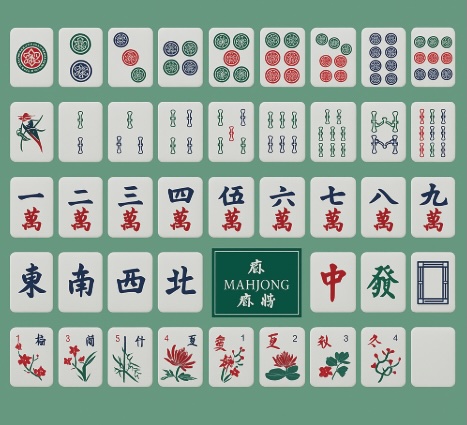
Mahjong Guide: Know the Rules and Regional Variations, Learn Tile Efficiency Early, Basic Rules, Mahjong Tiles, Game Play, Understand the Flow of the Wall, and Master Defence
Mahjong Guide and Tips to Play Mahjong Better
1. Know the Rules and Regional Variations
Mahjong is a rummy style tile game that originated in China, and a standard game requires 4 players. Mahjong is not a single game but a family of related formats, and the rules vary significantly by region, so the basic rules may stay familiar while scoring, pace, and hand requirements can follow very different rules alongside changes in tile sets and strategic priorities. Before you play seriously, you must learn the rules of the version you're sitting down to and make a plan around that format rather than relying on one universal approach. Here's a quick overview of the most popular types across the world, including Hong Kong Style, American Mah Jongg, and Riichi Mahjong. Mahjong rewards strategy, memory, and skill. Many beginners start with Hong Kong Style because its basics are comparatively straightforward.
Chinese Classical
· The oldest form, focused on sets (Pungs, Chows, and Kongs) and hand-building efficiency. A standard winning hand is often built from sets such as three identical tiles or three consecutive tiles, plus a pair. No Dora bonuses.
Hong Kong Style
· Simplified yet fast-paced, prioritising quick wins with hands worth 3 Fan or more; it’s a fast paced game where quick reads and fast decisions matter.
Japanese Riichi
· Deeply strategic, involving Riichi declarations, Dora (bonus tiles), and intricate defence. Widely played in tournaments.
American Mahjong
Uses Jokers, distinct card-based winning patterns, and heavy emphasis on declared combinations. In the Charleston, you pass three tiles, assess how the return fits your options, and avoid committing to a specific hand too early, since early flexibility helps if you need to switch to another hand as fresh tiles and discards appear.
Macau Style
· Features more complex scoring and focuses on high-value hands.
Understanding the differences in structure and scoring helps you adjust tactics. A good Mahjong player can adapt seamlessly between regional versions by reading the pace, aggression level, and expected hand values.
2. Learn Consecutive Tiles and Tile Efficiency Early
Tile efficiency is one of the foundations of strong Mahjong play, especially in Riichi and Hong Kong styles. A useful way to judge efficiency is to analyse your hand as five separate blocks. Each draw and discard affects your chances of completing melds and reaching Tenpai (ready state), and after a draw, the player decides what to keep because they must discard one tile from their hand. Focus on improving your hand's shanten number, which counts how many tiles away you are from Tenpai. Efficient hands use flexible tiles (like sequences) instead of isolated ones.
For example, keeping 4-5-6 in numerical order and in the same suit is better than holding 2-2-6, because 4-5-6 is a Chow, meaning a sequence of three consecutive tiles of the same suit, while 2-2-6 is only a partial shape until it can form a Pong of three identical tiles or a Kong of four identical tiles. A pair can still be useful, but an isolated or discarded tile can quickly become dead if it no longer improves the hand. Visualising the probability of completing sets is one of the fastest improvement methods, and analytical thinking helps you compare potential hands instead of chasing one rigid line too early, since efficient shape decisions reduce dead tiles and increase winning options.
3. Understand the Flow of the Wall
The ‘wall', the stack of remaining tiles, dictates the tempo and availability of key pieces; in standard game play, 144 mahjong tiles are drawn as players take tiles from the wall. Experienced players track which suits and honours have been discarded, estimating the likelihood of drawing or claiming specific tiles. The suits are Characters, Bamboo, and Dots, while honours are Winds and Dragons. Bonus tiles include Flowers and Seasons, and a standard set has 36 dot tiles, 36 bam tiles, 36 crack tiles, 16 wind tiles, and 12 dragon tiles. For instance, in Riichi Mahjong, if three of the four Red Dragons have appeared, holding onto the fourth is often a waste. Early in the hand, you can often throw away popular tiles more safely, but that changes as fewer other tiles are left in the wall. Meanwhile, timing your calls for Pungs or Kongs can make or break a winning streak in Hong Kong Mahjong.
Observing the rhythm of the wall, when tiles repeat or when discards cluster by suit, helps you predict opponents' hands and optimise your own timing. Turns proceed in a counterclockwise direction, so the next player draws from the wall unless a claim interrupts the order. It's this predictive awareness that separates seasoned players from beginners. Late in a round, the odds of drawing what you need drop as tiles left decrease, so watch the discards to anticipate the hands that opponents might be building, and let what's left to play for shape whether you stay aggressive or protect your hand with more cautious discards.
4. Master Defence: Knowing When Not to Win
Aggression can win hands, but defence wins matches. In styles like Riichi, where the game places especially heavy emphasis on defence and scoring discipline, knowing when to fold a hand and defend can save you from heavy losses. If an opponent declares Riichi, immediately shift to defensive mode, prioritising safe discards (tiles already visible in others' hands or discard piles). Mid-game, this often means reconsidering your original plan because you have more information about what opponents are collecting. In Chinese and Hong Kong Mahjong, a good defensive strategy also matters; avoiding risky Pung or Chow calls can prevent opponents from using a recently discarded tile or the most recently discarded tile to complete a winning hand, so sometimes you should play defensively by not throwing tiles that seem to fit an opponent's likely hand or a possible final tile.
Learning to switch from offence to defence is the hallmark of expert Mahjong players. A disciplined fold can be more profitable long-term than a reckless win attempt, and protecting your position is often better than pushing for a worse result with a risky attack.
Mahjong Guide: Recognise Safe Discards and Dangerous Tiles, Count The Dora and Bonus Tiles, Observe Opponents Discards and Body Language, Mahjong Game, Winning Hand, and Adapt Your Strategy To The Mahjong Variant
5. Recognise Safe Discard Tiles and Dangerous Tiles
Recognising which tiles are safe to discard, and which are dangerous, is a critical defensive skill. In Riichi Mahjong, genbutsu (safe tiles) have already been discarded by the discarding player who declared Riichi; they cannot win for them again, though a dangerous discarded tile can still become a winning tile for someone else, and dangerous tiles often include those that complete consecutive tiles or other visible patterns in an opponent's hand. Tiles adjacent to opponents' melds, on the other hand, are risky. In faster versions like Hong Kong or Macau Mahjong, holding onto terminal tiles (1s and 9s) can sometimes be safer than middle tiles, depending on the board state.
Whenever possible, aim to discard tiles that limit your opponents' options, especially when several players are close to Tenpai. Defence is an active process; every discard sends a signal, so sometimes the right move is waiting for a safer discard window instead of pushing out crucial tiles that may help another player. Often, choosing the safer discard also means avoiding dead-end shapes in your own hand, reducing dead tiles, and keeping more winning options open.
6. Count the Dora and Bonus Tiles
In Riichi Mahjong and some casino-style versions, Dora tiles add significant bonus points to a hand's value. Keeping track of revealed Dora indicators helps you gauge your potential and your opponents' risk levels. In American Mahjong, jokers affect value calculations differently, can act as substitutes, and the game relies on an annual card that dictates legal winning hands, which can make exposed sets more dangerous. If multiple Dora tiles appear early, expect aggressive play across the table. Conversely, when Dora is scarce, cautious hand-building often prevails.
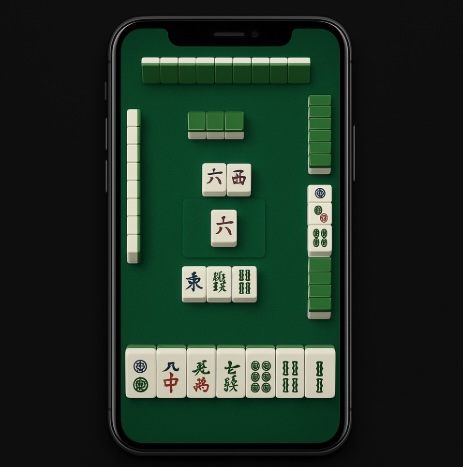
In online Mahjong variants, automatic displays show Dora indicators; use these as visual cues to adjust your pace and discard strategy. Always weigh the value of chasing Dora versus stabilising your hand and preserving a reliable score, with rules depending on the variation you play. Overcommitting to high-risk tiles for bonus points can lead to disaster, and keeping joker bait for later use can help, but only if it doesn't weaken your hand too much. In Hong Kong Style, players often need a minimum of three points to win, so hand value matters as much as speed.
7. Observe Opponents’ Discards and Body Language
Reading opponents is as much psychological as statistical. In live Mahjong, subtle cues, hesitation before discarding, sighs, or quick calls, can hint at what tiles they need. In online versions, you'll rely on timing patterns: a player who suddenly speeds up or slows down may have reached Tenpai.
Keep track of discards by suit, and watch every discarded tile to anticipate the player's hand an opponent may be building. By paying attention to what players discard, you can read what other players may be building. If someone repeatedly avoids one suit, that can help you narrow down an opponent's exact hand, and a specific tile repeatedly avoided or held back can refine that read further. In Riichi, a sudden discard of safe tiles often signals readiness for a winning draw. Observation, over time, sharpens instinct and keeps you a step ahead both offensively and defensively.
8. Adapt Your Mahjong Strategies to the Mahjong Variant
Each Mahjong style demands a unique mindset. In Chinese Classical, efficient tile grouping and quick wins dominate. In Hong Kong style, players often pursue speed, calling Chows aggressively. Riichi Mahjong, by contrast, rewards patience and mastery of yaku (winning combinations). American Mahjong encourages pre-planned card hands, and players usually begin with several potential hands before refining toward a winning hand as exposures and discards reveal more information.
Online and casino versions often adopt Hong Kong-style scoring or simplified rule sets, making them accessible for beginners. When switching formats, recalibrate your focus. Fast-paced styles reward opportunism, while slower ones reward pattern recognition and patience; some also reward a concealed hand or a hand concealed until late, while others reward speed and open declarations.

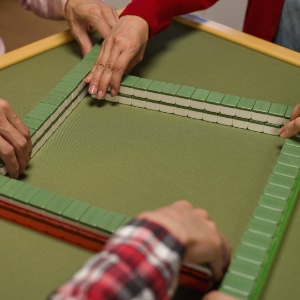
Mahjong Guide: Use Digital Mahjong and Practice Tools, Manage Tempo, Patience and Emotion, Responsible Play, and Cultural Respect
9. Use Digital Mahjong and Practice Tools
Today, countless digital platforms offer Mahjong simulators and online multiplayer tables. They also support analytical thinking through review features such as replays, tile-tracking, and decision breakdowns. Apps such as Mahjong Soul, Tenhou, or Riichi City allow players to practice against AI or real opponents globally, helping you organise tiles, test potential hands, and spot mistakes before game time pressure sets in, while replay tools and community feedback can help you correct recurring mistakes. These platforms often include auto-hand evaluation, replay analysis, and training modes highlighting tile efficiency metrics like shanten count and discard safety.
Practising online helps you internalise rhythm, spot Dora opportunities, and gain real-time experience with different rule sets. Casino-style Mahjong apps and real-money versions are now available on mobile, merging Mahjong's strategic challenge with the convenience of online gaming.
10. Manage Tempo, Patience, and Emotion
Mahjong is a game of endurance and emotional control. While luck plays a large part in Mahjong, a good player maintains composure through dry spells and capitalises on opportunity when fortune turns, knowing sound judgement still improves results over the long run. Chasing losses or overreacting to bad luck can quickly spiral into poor decision-making. As in all gambling-linked games, maintaining a steady focus is your greatest edge.
Manage your pace in longer tournament sessions or online play. Avoid rushing decisions; deliberate, thoughtful play consistently outperforms reactive gambling. Even in a fast session, taking a moment to rest mentally between hands can help prevent emotional errors. Remember that consistency, not short-term luck, defines success in Mahjong.
Responsible Play and Cultural Respect
Mahjong has deep cultural roots. It's a game of community, patience, and respect for tradition. When played for money, whether in a friendly home setting or at a licensed online casino, treat it as entertainment, not an investment, and at home remember that local house rules may change setup, scoring, or allowed calls, so agree them before you start. If you play online for real stakes, always choose platforms regulated by reputable authorities and set spending limits before you begin. Organisations like GamStop and GamCare offer support for UK players who want to keep gambling safe and enjoyable.
www.casinojester.co.uk
Overview
Mastering Mahjong takes time, observation, and emotional balance. By learning the nuances of different regional styles, improving tile efficiency, and developing a keen sense for risk versus reward, you can elevate your play from casual to competitive. And when playing mahjong, it should stay fun whether you win or lose.
Each player starts with 13 tiles, except the dealer who has 14. The dealer rolls two dice to determine the wall break.
Whether you’re chasing Riichi yaku in Tokyo, quick wins in Hong Kong, or practising on a mobile casino app, these ten tips will help you play smarter, adapt faster, and enjoy the timeless strategy of Mahjong.
Ready to put your Mahjong skills to the test?
Discover top-rated online casinos and platforms offering Mahjong and other classic table games. Play responsibly, learn the styles, and claim your welcome bonus today, remembering that real improvement comes from collecting information from the table, not just hoping for good draws.
www.casinojester.co.uk
CJ Guides and Reviews
CJ Mahjong Guide
Beginner's Guide to Mahjong
Top 10 Best Books About Mahjong
Top 10 Biggest Mahjong Tournaments
CJ Casino Guide
How To Choose The Right Online Casino
Common Mistakes New Casino Players Make
CJ Casino Review
Hippodrome Casino Review and Current Offers
Genting Casino Review and Current Offers
Betway Casino Review and Current Offers
10Bet Casino Review and Current Offers
CJ UK Guide
Top 5 Casinos in London, UK
The Top UK Casinos
CJ Travel Guide
The Sphere, Las Vegas
CJ Guides
Guides and Reviews Index
SEPTEMBER 2026
Top Features of UK Online Casinos
Playing at our recommended casinos offers an exciting and secure gaming experience. Enjoy generous online casino bonuses, a wide variety of gaming options, and robust security measures.

UK Regulated, secure & trusted

Huge variety of games, jackpots, free spins & bonuses

All casinos offer Responsible gambling tools

Fast, safe & simple deposits & withdrawals

Good Customer Service

Clear & simple design to ease usability
Trusted by top brands in the industry